Serengeti National Park
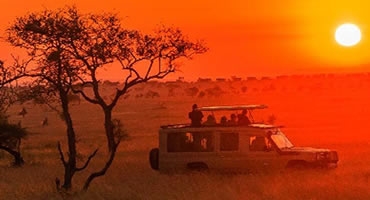
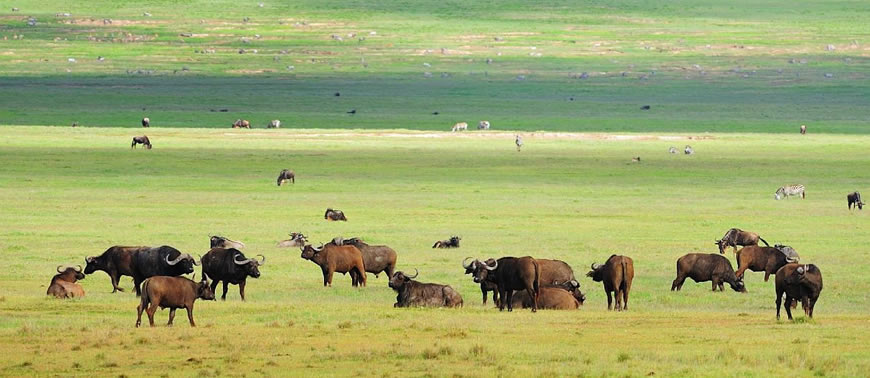
Serengeti is located in the north of the country and shares its northern boundary with the Kenyan Masai Mara Game Reserve and its southern boundary with the Ngorongoro Conservation Area. It is one of the most famous national parks in Africa and offers some of the best wildlife viewing in the world; however, there are a number of things to do in the Serengeti other than game drives. The Serengeti fits well into most people’s dream of an African safari with its abundant wildlife, vast golden plains dotted with thorny umbrella acacia trees, kopjes, and sausage trees, and its crocodile and hippo-filled rivers.
The Serengeti is a must-see for anyone wanting to go on safari as the park is together with the Maasai Mara in Kenya the only conservation area in Africa where you can see the annual migration of a hundred thousand zebras and over a million gnus. In addition to being home to over three million animals, the park also boasts different landscapes.
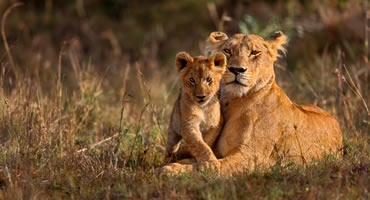
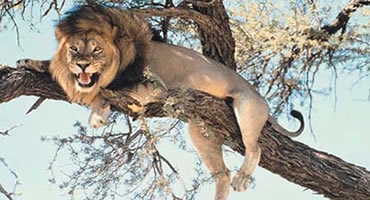
Whilst on a game drive in the popular southern plains you will be overwhelmed by the never-ending flat seas of grass. Trees in this region mostly only appear around the huge granite formations called kopjes. These kopjes are home to the athletic yet lazy rock hyraxes as well as to a mix of reptiles such as colorful agama lizards and snakes. Besides that, the rocks are also the perfect resting place for lions, leopards, and cheetahs. Cats seem to prefer the kopjes as they serve as a good vantage point for potential prey but also offer much-needed shade during the scorching heat of the African sun and provide shelter for their young. All of the kopjes are named and the most commonly known ones are Simba, Gol, Research, and Moru kopjes.
The Great Wildebeest Migration
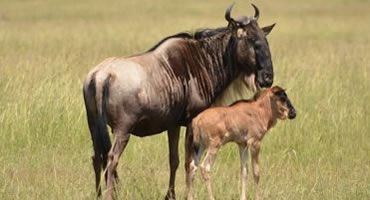
Each year, the Serengeti is home to the world's largest movement of animals as over 1.7 million wildebeest, 500,000 zebras, and a further 200,000 + species of antelope make their way from the Ndutu calving region in the southern Serengeti north into the Masai Mara of Kenya. This monumental feat of endurance attracts visitors from all over the world wishing to witness the majesty of the greatest show in nature, and the movement can be witnessed in the Serengeti for much of the year. From calving season early into the year to the dramatic river crossings in June-July to the eventual slow return late in the year, the Serengeti is without question the best place to see the Wildebeest Migration in all of its glory.
Climate
The climate of the Serengeti National Park is subtropical, with a dry and relatively cool season from May to August, a warmer and still quite dry season in September and October, and a rainy and quite hot season from November to April.
Getting there
By road: Most safaris to the Serengeti start from the town of Arusha. The best option to get there is to fly into Kilimanjaro International Airport (JRO) which is situated about 46km/29mi from Arusha.
By air: One can fly into Julius Nyerere International Airport (DAR), just outside of Dar es Salaam, and use a domestic flight to get to Arusha Airport (ARK) or Kilimanjaro International Airport (JRO).